Forever: Hype, Hope, and Healthcare's AI Revolution
Exploring the Intersection of Artificial Intelligence, Longevity, and the Future of Medicine
Humanity has always been fascinated by the prospect of extending life and improving health. From ancient alchemists seeking the elixir of life to modern scientists exploring genetic engineering, the quest for longevity has been a constant throughout history. Today, we stand at the precipice of a healthcare revolution powered by artificial intelligence—a convergence that promises to transform how we prevent, diagnose, and treat disease.
As global populations continue to grow and life expectancies increase, healthcare systems face unprecedented challenges. AI offers solutions that could fundamentally reshape our approach to health and wellness, but it also raises important questions about ethics, accessibility, and the very nature of human mortality.
In this blog, we explore the hype, hope, and reality of AI in healthcare—examining its potential to extend human longevity while addressing the complex ethical and practical considerations that accompany this technological revolution.
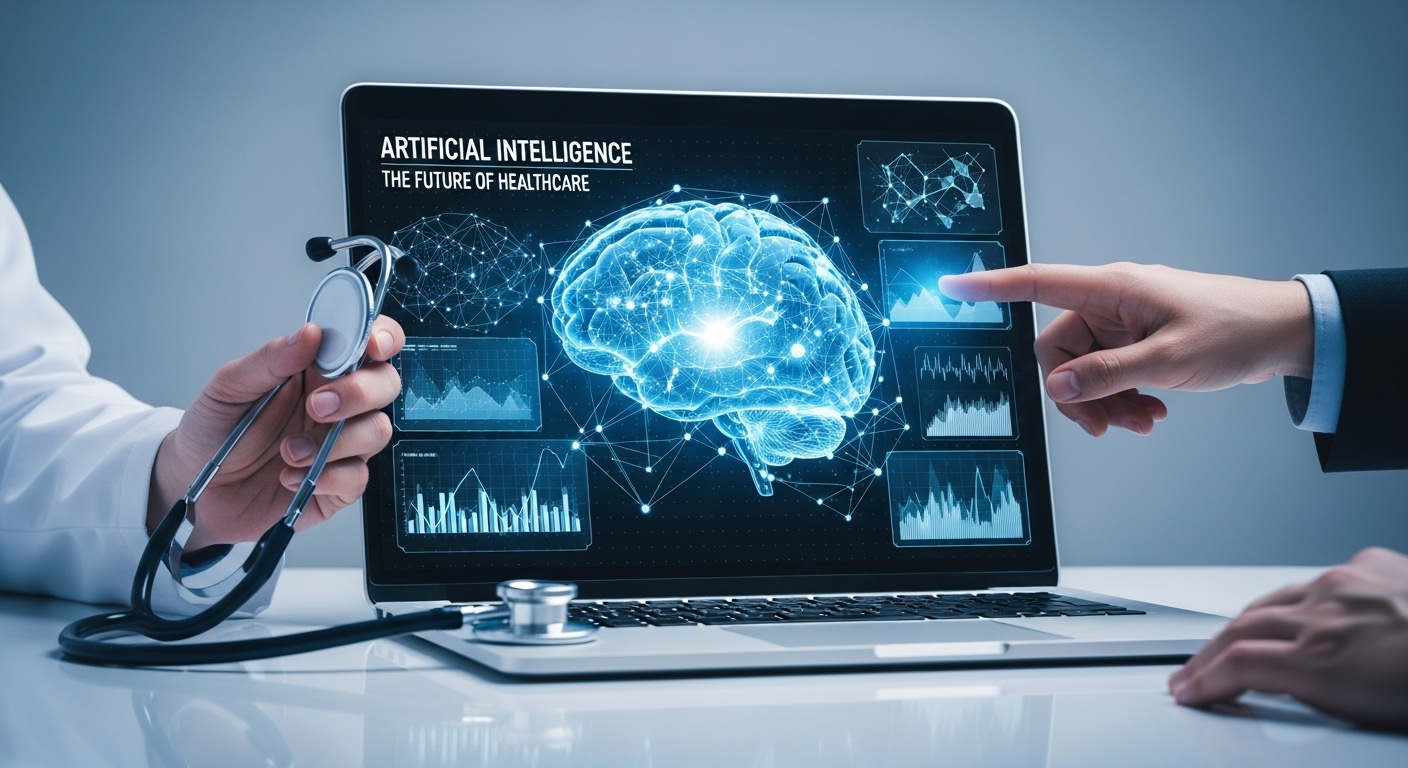
The intersection of artificial intelligence and healthcare represents a paradigm shift in medicine
The Human Story of Longevity
Human history is marked by dramatic shifts in population and life expectancy. In the late 19th century, the global population surpassed one billion for the first time. Since then, we've seen explosive growth to over eight billion people today. Alongside this population boom, we've witnessed remarkable improvements in life expectancy.
Consider these transformative statistics:
- Pre-20th century life expectancy hovered around 30 years
- By the mid-20th century, it had doubled to approximately 60 years
- Today, global life expectancy stands at about 73 years
- In some developed nations, it exceeds 80 years
This dramatic increase in lifespan represents one of humanity's greatest achievements. Yet, it raises profound questions: Is there a biological limit to human longevity? Can we continue to extend life indefinitely? And what role might AI play in answering these questions?
The 20th Century: A Medical Miracle
The 20th century witnessed unprecedented medical advancements that transformed human health. The period following World War II was particularly remarkable, with innovations that fundamentally changed healthcare delivery and outcomes.
Medical Breakthroughs
- Antibiotics: The discovery and mass production of penicillin and other antibiotics turned once-fatal infections into treatable conditions.
- Vaccination: Widespread immunization programs eradicated or controlled diseases like smallpox, polio, and measles.
- Advanced Diagnostics: Technologies like X-rays, CT scans, and MRIs enabled earlier and more accurate detection of disease.
Public Health Revolution
- Sanitation Systems: Clean water and waste management dramatically reduced infectious disease transmission.
- Health Education: Public awareness campaigns promoted healthier lifestyles and preventive care.
- Healthcare Access: The establishment of hospitals, clinics, and health insurance made care more widely available.
The doubling of life expectancy in the 20th century represents one of the greatest achievements in human history. Yet, as we look to the future, we must ask: Can we sustain this progress, and what role will AI play in the next chapter of human health?
Is Mortality Inevitable?
Throughout history, death has been considered an inevitable part of the human condition. But recent scientific advances have challenged this assumption, prompting us to reconsider whether mortality is truly a biological law or merely a technical problem awaiting a solution.
Several factors contribute to aging and death:
- Genetic Limits: Telomere shortening, DNA damage accumulation, and other cellular processes limit cellular division and repair.
- Disease: Cardiovascular disease, cancer, neurodegenerative disorders, and other conditions become more prevalent with age.
- Systemic Decline: The gradual deterioration of organ function and immune response over time.
AI is now being applied to each of these areas, with researchers exploring whether machine learning can help us understand, slow, or even reverse the aging process.
The AI Revolution in Healthcare
Artificial intelligence is poised to transform healthcare in ways that could rival the impact of antibiotics or sanitation systems. By analyzing vast amounts of medical data, identifying patterns invisible to humans, and continuously learning from new information, AI systems are opening new frontiers in medicine.
85%
Diagnostic Accuracy
AI systems can now match or exceed human radiologists in detecting certain cancers and other conditions.
50%
Drug Development Time
AI is accelerating drug discovery by identifying promising compounds and predicting their effects.
30%
Preventable Deaths
AI-driven early detection and intervention could potentially reduce preventable deaths by nearly a third.
Key applications of AI in healthcare include:
- Diagnostic Imaging: AI algorithms analyze X-rays, CT scans, and MRIs to detect abnormalities with remarkable accuracy.
- Drug Discovery: Machine learning models predict how compounds will interact with biological targets, speeding up the development of new medications.
- Personalized Medicine: AI analyzes genetic, lifestyle, and environmental data to tailor treatments to individual patients.
- Preventive Care: Predictive analytics identify patients at risk for various conditions before symptoms appear.
- Administrative Efficiency: AI streamlines healthcare operations, reducing costs and improving patient experiences.
Hype vs. Hope: Separating Reality from Science Fiction
While the potential of AI in healthcare is immense, it's important to distinguish between realistic applications and science fiction. The media often portrays AI as a near-magical solution to all medical problems, but the reality is more nuanced.
Current Realities
AI is already making significant contributions in specific areas like medical imaging, drug discovery, and administrative efficiency. These applications are well-documented and increasingly deployed in clinical settings.
Future Possibilities
More speculative applications like reversing aging, achieving immortality, or creating fully autonomous AI doctors remain in the realm of research and face significant technical and ethical hurdles.
Balancing Expectations
Healthcare providers, policymakers, and the public must maintain realistic expectations about AI's capabilities while recognizing its genuine potential to transform medicine.
The Future of Healthcare Innovation
As we look to the future, several key trends will shape the intersection of AI and healthcare:
- Integration of Multimodal Data: Future AI systems will analyze diverse data types—including genomic, proteomic, metabolomic, and imaging data—to create comprehensive health profiles.
- Continuous Health Monitoring: Wearable devices and ambient sensors will provide real-time health data, enabling AI systems to detect subtle changes and intervene before conditions become serious.
- Personalized Treatment Protocols: AI will help design highly individualized treatment plans based on a person's unique biology, lifestyle, and environment.
- Democratization of Expertise: AI systems will make specialized medical knowledge more accessible, particularly in underserved regions with limited healthcare resources.
- Preventive Medicine Revolution: The focus will shift from treating disease to preventing it through early detection and lifestyle interventions guided by AI insights.
The most profound impact of AI in healthcare may not be extending life indefinitely, but rather extending healthy years—enabling people to live fuller, more productive lives well into old age.
Challenges and Ethical Considerations
The integration of AI into healthcare raises important ethical questions and practical challenges that must be addressed:
Privacy and Security
Medical data is highly sensitive, and AI systems require vast amounts of information to function effectively. Ensuring the privacy and security of patient data is paramount.
Equity and Access
There's a risk that AI-driven healthcare could exacerbate existing disparities if benefits are only available to wealthy individuals or developed nations.
Human Oversight
While AI can augment medical decision-making, the importance of human judgment, empathy, and ethical reasoning cannot be overstated.
The GeoDisha Vision for Healthcare AI
At GeoDisha, we believe that AI has the potential to transform healthcare in ways that benefit all of humanity. Our approach focuses on:
- Responsible Innovation: Developing AI solutions that prioritize patient safety, privacy, and ethical considerations.
- Collaborative Research: Partnering with healthcare institutions, researchers, and policymakers to ensure AI applications address real-world needs.
- Accessible Technology: Creating solutions that can be deployed in diverse healthcare settings, from advanced hospitals to rural clinics.
- Continuous Learning: Building AI systems that improve over time through ongoing feedback and new data.
As we stand at this transformative moment in healthcare history, GeoDisha is committed to harnessing the power of AI to create a healthier, more equitable future for all.
Behavioral AI: The Missing Link in Effective Audience Targeting
In a data-driven world where every click, swipe, and scroll leaves behind a digital footprint, traditional methods of audience segmentation are quickly becoming obsolete. Gone are the days when demographic information alone could dictate marketing strategies. Today's consumers demand personalization at an unprecedented scale—and businesses that fail to deliver risk being left behind.
Behavioral AI has emerged as the next frontier in understanding consumer intent. By leveraging behavioral data and advanced algorithms, companies can create nuanced, AI-driven personas that capture the complex psychological profiles of their audiences. This allows for highly effective audience targeting that adapts in real-time.
In this comprehensive blog, we'll explore how Behavioral AI, psychographic profiling, and AI-driven persona creation are transforming marketing strategies and governance decisions. We will also explore the emerging applications, implementation challenges, and the undeniable business value of this rapidly advancing technology.
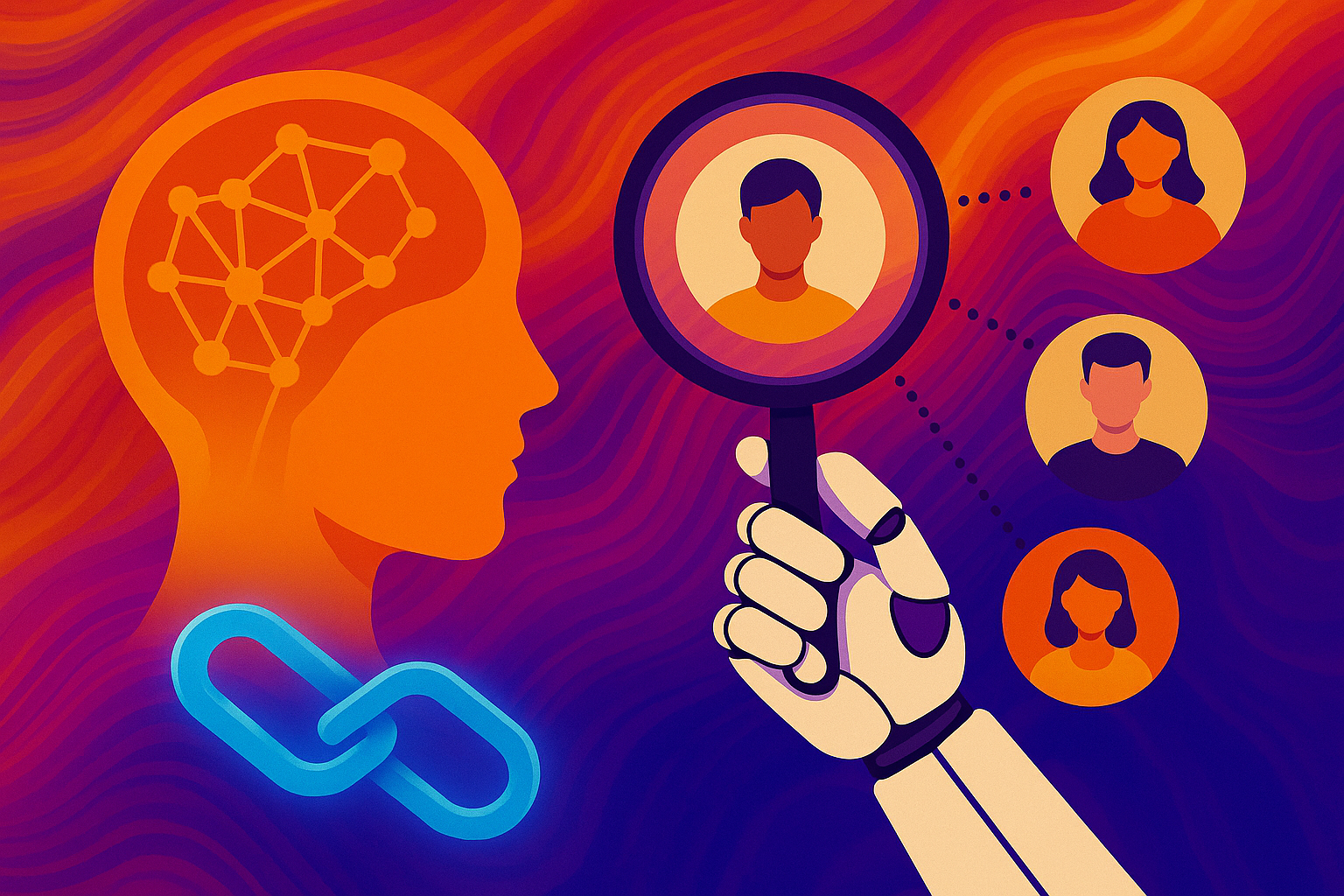
Understanding consumer behavior through AI-driven insights
What is Behavioral AI?
Behavioral AI refers to the application of artificial intelligence and machine learning to analyze, predict, and influence human behaviors. Unlike demographic data that tells you who your customer is, behavioral AI uncovers what your customer does, why they do it, and when they are most likely to act.
It focuses on:
- Browsing patterns
- Purchase behavior
- Social media activity
- Emotional sentiment analysis
- Content consumption preferences
By understanding these behaviors, companies can deliver tailored experiences that are contextually relevant and psychologically aligned with their target audiences.
Why Traditional Audience Segmentation Is Outdated
Conventional segmentation strategies typically rely on static attributes such as age, gender, income, and location. However, this outdated method ignores the fact that people's interests, motivations, and needs evolve over time and context.
Limitations of Traditional Segmentation:
- Assumes homogeneity within demographic groups
- Ignores emotional and psychological drivers
- Fails to adapt to real-time behavioral changes
Behavioral AI, powered by Audience Segmentation AI, offers a dynamic solution by:
- Continuously analyzing real-time data streams
- Updating audience profiles based on evolving behaviors
- Allowing for hyper-targeted, real-time messaging
Traditional audience segmentation methods often fail to capture the dynamic nature of consumer behavior.
Psychographic Profiling: The Key to Deeper Understanding
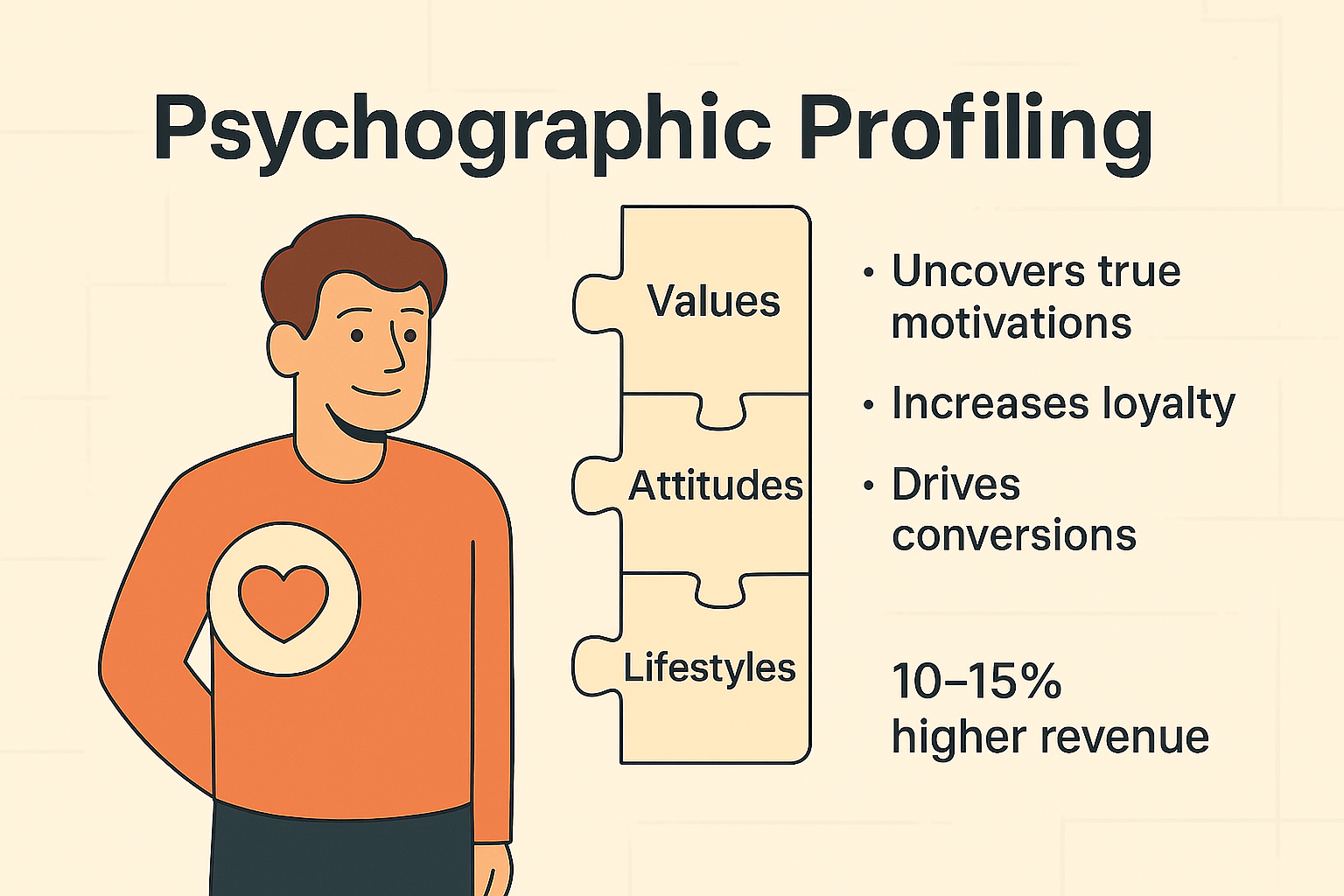
Psychographic profiling digs deeper than surface-level data. It examines values, attitudes, lifestyles, and interests—offering a holistic view of what motivates consumer decisions.
Psychographic data examples:
- Health-conscious behaviors
- Risk-taking vs. risk-averse preferences
- Social vs. individualistic tendencies
Behavioral AI amplifies psychographic profiling by processing vast data sets from:
- Social listening platforms
- Online browsing behavior
- Emotional tone in customer reviews
- Purchase sequences and brand touchpoints
Benefits:
- Increased conversion rates
- Decreased customer churn
- More meaningful brand engagement
AI-Driven Persona Creation: The Future of Customer Insights
Static personas often rely on generalized assumptions. In contrast, AI-driven personas are:
- Data-backed
- Continuously updated
- Multi-dimensional, including emotional and behavioral layers
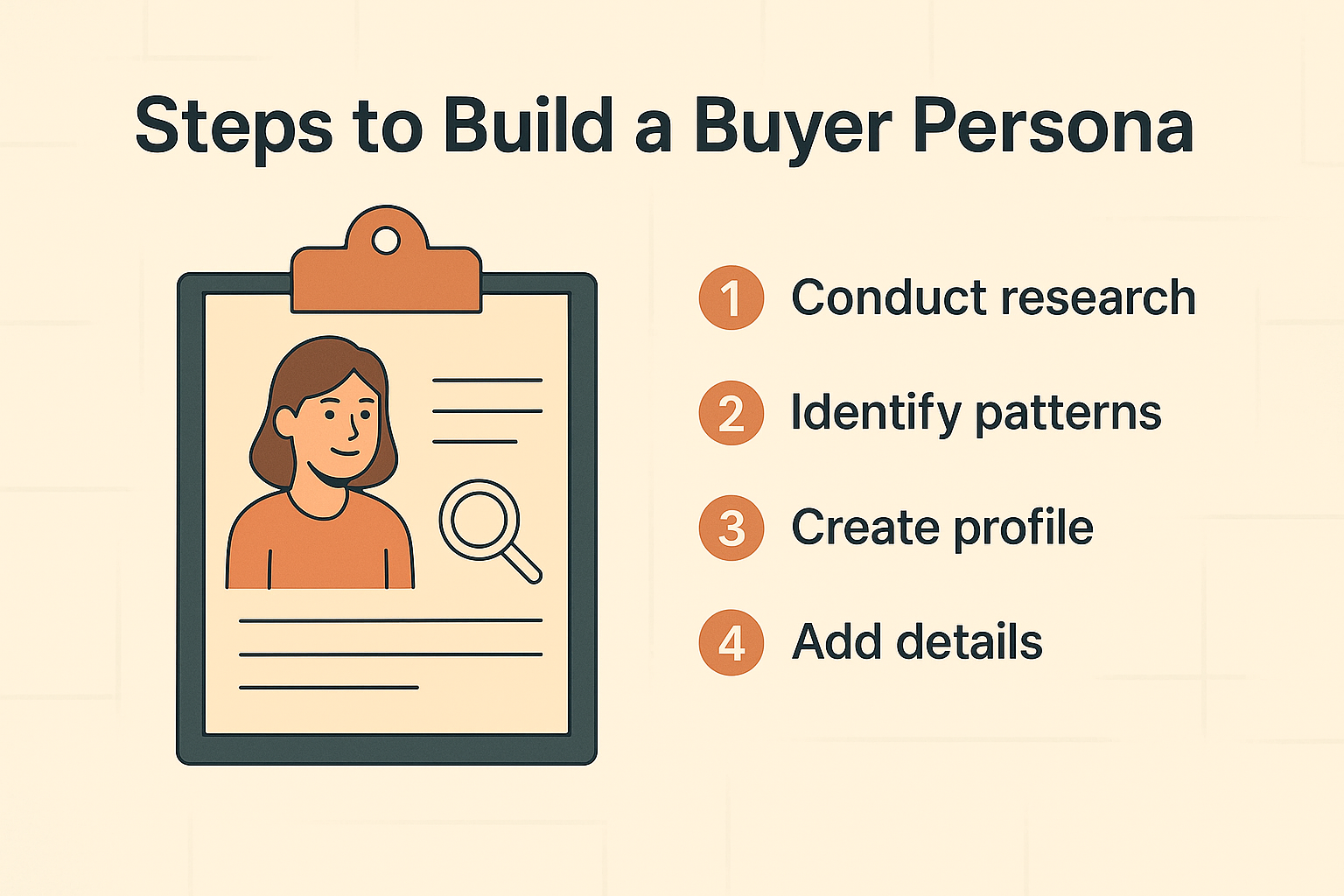
Steps to AI-Driven Persona Creation:
- Data collection from behavioral touchpoints
- Machine learning clustering based on behaviors and psychographics
- Persona generation that evolves with ongoing data inputs
- Predictive modeling to anticipate consumer needs
These dynamic personas allow businesses to tailor offers, messages, and experiences that feel uniquely designed for each customer segment.
Behavioral AI Across Industries
1. Marketing and Advertising
- Hyper-personalized campaigns
- Dynamic content based on real-time sentiment
- Improved ad targeting and reduced ad spend waste
2. Healthcare
- Tailored patient engagement strategies
- Behavioral prediction for medication adherence
- AI-driven health promotion campaigns
3. Governance and Public Policy
- Geo-targeted public safety alerts
- Community-specific health campaigns
- Real-time sentiment tracking for public service improvements
Case Study Example:
During the COVID-19 pandemic, several public health departments used Behavioral AI to adapt vaccine messaging based on social sentiment and behavioral trends. This led to higher compliance in targeted communities.
Behavioral AI applications across different industries and sectors.
Business Impact of Behavioral AI
Key Metrics Improved by Behavioral AI:
40-60%
Faster Go-To-Market Timelines
Real-time segmentation reduces campaign preparation times.
25-30%
Lift in Customer Retention
Personalized, relevant messaging keeps customers engaged.
20-40%
Reduction in Marketing Waste
Hyper-targeting minimizes spend on disinterested audiences.
Best Practices for Implementing Behavioral AI
-
Ensure Data Privacy: All behavioral data must comply with GDPR, CCPA, and other regulations.
-
Leverage Cross-Channel Data: Integrate social, web, mobile, and offline touchpoints.
-
Invest in Explainable AI: Avoid black-box models; ensure insights are understandable.
-
Build AI-Ready Teams: Upskill marketing and data science teams to handle AI-driven tools.
Key Challenges
Data Privacy Concerns
Behavioral AI can feel intrusive if not handled transparently. Clear communication about data collection and opt-in processes is essential.
Risk of Data Bias
Unbalanced training data can lead to discriminatory targeting or skewed predictions.
Complexity in Integration
Behavioral AI requires seamless integration across CRM, marketing automation, and analytics platforms.
The GeoDisha Approach
At GeoDisha, we specialize in unifying:
- Behavioral Data AI
- Geo-Spatial Intelligence
- AI-Driven Persona Creation
We offer scalable, ethical, and privacy-compliant solutions that empower organizations to:
- Improve audience targeting
- Reduce decision-making time by 60%
- Enhance campaign relevance and ROI
Whether you're a product-led business, a healthcare organization, or a public governance body, GeoDisha can help you harness behavioral AI for sustainable, data-driven growth.
Real-Time Campaign Optimization: Lessons from High-Impact AI-Driven Campaigns
How AI Is Transforming Political, Healthcare, Entertainment, and Education Campaigns—One Real-Time Insight at a Time
In a world where decisions are made in milliseconds and attention spans are shorter than ever, traditional campaign strategies no longer cut it. Whether you're rallying votes, launching a movie, promoting public health, or reshaping educational awareness—your campaign's ability to adapt in real time determines its success.
At GeoDisha, we've seen how AI-powered, real-time campaign optimization is helping political leaders, filmmakers, healthcare experts, and educators influence decisions at scale—with precision, speed, and relevance.
This blog dives into real-world lessons and innovations from across sectors using Real-time AI Campaigns.
AI-driven real-time campaign optimization across multiple industries
What is Real-Time Campaign Optimization?
Real-time campaign optimization is the use of AI and machine learning to monitor, analyze, and adjust campaign strategies dynamically—as the campaign is running.
This means your messaging, audience targeting, creative delivery, and media spending are constantly adapting based on:
- Real-time sentiment shifts
- Regional reactions
- Audience engagement levels
- Behavioral and emotional triggers
From launching a blockbuster to managing a public health drive, this ability to adjust instantly is changing the way leaders campaign.
How It's Reshaping Key Industries
1. Politics: Precision That Wins Elections
AI now plays a central role in shaping modern political campaigns.
- Sentiment Scanning: Real-time sentiment analysis detects how voters feel about key issues, and campaign teams adjust messaging accordingly—within hours, not days.
- Hyper-Targeted Messaging: Voters are grouped by issues, language, cultural tone, and even emotional triggers. AI ensures the right message reaches the right segment at the right time.
- Crisis Management: Unexpected incidents or misinformation can derail campaigns. AI detects threats early and activates counter-narratives.
Example: A regional campaign we supported pivoted from economic reform to local employment when AI flagged a sentiment shift among youth—increasing rally attendance by 47%.
2. Healthcare: Building Trust in Real-Time
Health campaigns succeed when they're timely, relevant, and trustworthy. AI makes that possible.
- Outbreak Response: During vaccination drives or health crises, AI tracks misinformation trends and recommends tailored educational messaging for affected regions.
- Audience Understanding: Messaging can be adjusted in real time for doctors, patients, or rural communities based on language, beliefs, and fear indicators.
- Behavior Prediction: AI anticipates drop-offs or resistance in engagement — enabling course correction to boost campaign effectiveness.
Result: A public health initiative we powered saw a 60% increase in engagement after AI redirected campaign focus toward maternal health in high-risk districts.
3. Movies & Entertainment: From Buzz to Box Office
Launching a movie isn't just about trailers anymore — it's about real-time connection with your audience.
- Pre-Release Testing: AI analyzes online reactions to teasers and adjusts marketing focus (romance, action, emotion) based on audience sentiment.
- Regional Trends: Real-time feedback helps distributors allocate budget dynamically — to cities or platforms where interest is spiking.
- Fan-Centric Campaigns: AI tracks fan responses to stars, themes, or controversies — allowing creators to harness virality, not fear it.
Case Study: An OTT campaign GeoDisha supported used AI to adjust promotional narratives after AI flagged Gen Z's emotional response to a subplot — boosting click-throughs by 3X in 48 hours.
4. Education: Enrolling Minds with the Right Message
In the crowded world of edtech and academic institutions, AI helps you rise above the noise.
- Student Behavior Tracking: AI monitors clicks, scrolls, and questions asked during webinars or info sessions to tailor follow-up messages.
- Demographic Segmentation: Campaigns auto-adapt for working professionals, parents, or undergrads — even suggesting the best times and platforms to engage.
- Outcome-Focused Marketing: AI pinpoints which success stories (placements, alumni, ROI) work best with each audience.
Insight: One edtech platform we worked with used real-time optimization to shift focus from pricing to outcomes, leading to a 41% jump in demo requests.
What We've Learned at GeoDisha
Agility = Relevance
Campaigns that can pivot in real time build deeper trust and higher engagement with their audiences.
AI is Your Co-Pilot
AI guides decisions and provides insights — but the storytelling and creative vision still needs human heart and intuition.
Real-Time ≠ Reactive
True optimization means being prepared to evolve as your audience evolves, not just reacting to events after they happen.
Campaign Optimization Metrics That Matter
3X
Faster Response Time
Real-time AI enables campaign adjustments in hours, not days or weeks.
47%
Average Engagement Lift
Dynamic messaging based on real-time insights significantly boosts audience engagement.
60%
Improvement in ROI
Optimized budget allocation and messaging leads to dramatically better campaign returns.
The Future of Campaigns is Now—and It's Smart
Whether you're a political party preparing for elections, a director launching your next hit, a public health agency aiming to build trust, or an edtech brand trying to reach the next million learners—you can't afford to stay static.
Real-time AI campaigns don't just help you adapt. They help you win—intelligently, ethically, and efficiently.
The campaigns of tomorrow aren't just data-driven—they're intelligence-driven. They learn, adapt, and evolve with every interaction, creating deeper connections and more meaningful outcomes.
Want to see how GeoDisha can help optimize your next campaign—in real time? Let's talk.
The Hidden Cost of Fragmented Data: Why Organizations Struggle to Turn Information Into Impact
Across sectors — public institutions, enterprises, healthcare systems, media organizations, financial institutions, and educational institutions — data volumes have grown exponentially. Yet decision-makers continue to face a familiar challenge: having data, but lacking clarity.
Across sectors — public institutions, enterprises, healthcare systems, media organizations, financial institutions, and educational institutions — data volumes have grown exponentially. Yet decision-makers continue to face a familiar challenge: having data, but lacking clarity.
The issue is not access to information. It is fragmentation.
When data exists in disconnected systems, insight becomes delayed, incomplete, and difficult to trust. Over time, this gap between data and decisions quietly limits impact.
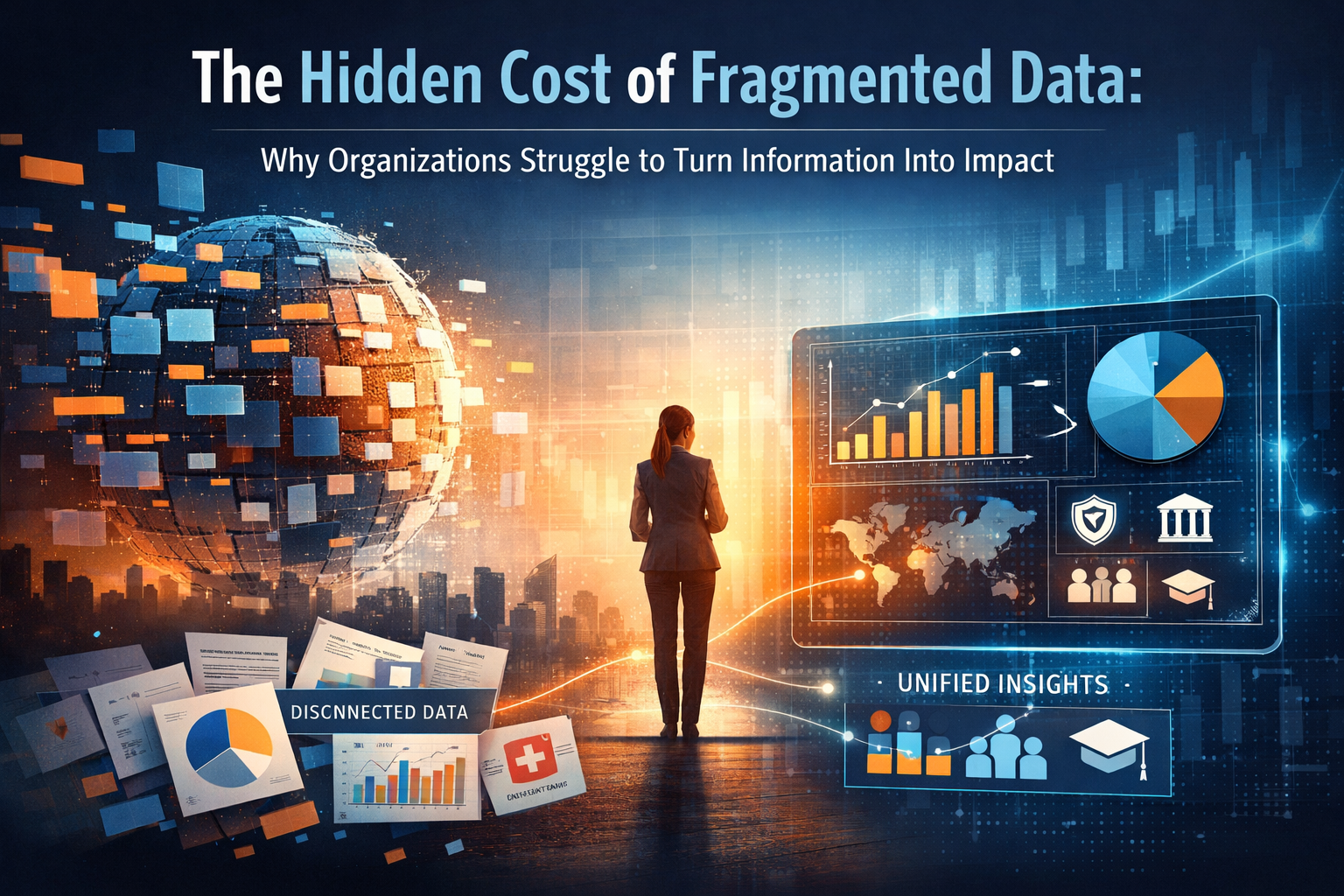
Fragmented data across disconnected systems creates significant barriers to effective decision-making
Fragmented Data Is a Structural Challenge in Modern Analytics Environments
Most organizations operate with multiple data environments — operational systems, analytical platforms, departmental tools, and external data sources. Individually, these systems function well. Collectively, they rarely align.
This misalignment leads to:
- Inconsistent metrics across teams
- Delayed visibility into performance and outcomes
- Limited understanding of cross-functional and geographic impact
- Decisions based on partial or historical views
According to Gartner, poor data quality costs organizations an average of $12.9 million annually in inefficiencies and missed opportunities
For data-intensive and location-aware environments, the cumulative effect is significant.
Why AI and Advanced Analytics Often Fail to Scale Across Industries
AI adoption has accelerated across government, healthcare, banking, media, and enterprise environments. However, results frequently fall short of expectations.
A McKinsey study reports that 73% of organizations cite poor data quality as the primary barrier to scaling AI initiatives
AI systems rely on:
- Consistent, well-governed data
- Shared definitions across systems
- Contextual understanding of operational and spatial signals
When data is fragmented, AI outputs become unreliable, forecasts lose accuracy, and confidence in insights declines. In such environments, AI amplifies complexity rather than reducing it.
Unified Data Intelligence Across Public Sector, Healthcare, Media, Education & Enterprise
Organizations that move beyond fragmentation focus on unified data intelligence — integrating diverse data sources into a coherent, governed, and decision-ready framework.
This approach enables:
- Timely and accurate visibility into key drivers
- Improved forecasting and scenario analysis
- Early detection of anomalies and risks
- Stronger alignment between strategy and execution
Unified data intelligence is not about replacing systems. It is about connecting them with purpose.
Industry Applications of Unified Data Intelligence
Public Sector Analytics
Public sector organizations manage complex and large-scale datasets, yet often lack real-time visibility into policy outcomes.
Unified public sector analytics enable:
- Policy Analytics that connect intent with measurable outcomes
- Citizen Engagement Analytics that surface needs and sentiment
- Resource Optimization based on actual demand and impact
These capabilities support data-driven governance, transparency, and effective service delivery.
Media Analytics
Media organizations operate across multiple platforms and channels, generating vast audience and content data.
Unified media analytics platforms support:
- Content Intelligence to understand performance beyond surface metrics
- Audience Analytics across regions and devices
- Performance Tracking aligned to editorial and commercial goals
This enables informed decisions about content strategy and audience growth.
Healthcare Analytics Solutions
Healthcare data is often fragmented across clinical, operational, and administrative systems.
Unified healthcare analytics solutions enable:
- Patient Analytics for population-level insights
- Care Optimization Analytics through predictive patterns
- Outcome Prediction to support proactive and preventive care
Connected data improves both efficiency and patient outcomes.
Enterprise Decision Intelligence
Enterprises often invest heavily in dashboards but struggle to translate reports into action.
Unified enterprise decision intelligence enables:
- Confident decision-making across functions
- Process Automation driven by trusted data signals
- Strategic Insights aligned to business objectives
This marks a shift from reporting what happened to understanding what should happen next.
Financial Analytics
Financial institutions operate in highly regulated, data-sensitive environments.
Unified financial analytics platforms support:
- Fraud Detection Analytics across channels
- Risk Modeling with contextual accuracy
- Customer Insights that balance growth and governance
Stronger data foundations lead to faster, safer decisions.
Education Analytics
Educational institutions collect extensive academic and administrative data, often in silos.
Unified education analytics solutions enable:
- Learning Analytics to identify engagement patterns
- Student Performance Tracking beyond grades
- Curriculum Insights to improve learning outcomes
Early visibility helps institutions support student success more effectively.
From Data Availability to Decision Confidence
The objective is not more dashboards or tools. It is decision confidence.
When data is connected, governed, and contextualized:
- Leaders act with clarity
- Teams align around shared understanding
- Advanced analytics and AI scale responsibly
- Outcomes become measurable and repeatable
This transforms data from an operational burden into a strategic asset.
GeoDisha's Approach to Unified Data Intelligence
GeoDisha supports organizations in moving from fragmented data environments to decision-ready intelligence.
Our approach focuses on:
- Integrating diverse data sources, including spatial and operational data
- Strengthening data quality and governance
- Enabling analytics that support real decisions
- Aligning insights with institutional and organizational goals
The emphasis is not on technology alone, but on making data usable where it matters most.
Request a Data Intelligence Blueprint Session
Organizations across sectors often face similar questions:
- Where is data fragmentation limiting insight?
- Which decisions are most impacted?
- What is the most practical path forward?
A Data Intelligence Blueprint Session with GeoDisha helps establish clarity — assessing current challenges and defining a roadmap aligned to your industry and objectives.